
24 Apr Top Signs You Need a Deep House Cleaning
A deep house cleaning fixes what regular tidying misses: built-up grime, hidden dust, stale odors, and the low-grade stress that comes from a home never quite feeling reset. For busy families, pet owners, and working professionals, the main problem is not mess you can see at eye level. It is the accumulation in corners, grout lines, vents, baseboards, appliances, and fabrics that slowly changes how your home looks, smells, and feels. If those layers have been building for weeks or months, a standard weekly wipe-down usually will not catch up.
What does a deep house cleaning actually solve?
It solves buildup that routine cleaning leaves behind. Baseboards, grout, and a Whirlpool oven interior collect soil differently than a kitchen counter, so they need more time, stronger technique, and a top-to-bottom reset.
Deep cleaning is not just “more cleaning.” It targets accumulation in places that are easy to skip when life gets busy: behind furniture, under beds, inside appliances, on trim, around vents, and on bathroom tile. That matters because buildup compounds. Dust attracts more dust, grease traps more dirt, and moisture turns light residue into mildew or odor.
If your home feels clean for a day and then quickly feels dull again, the problem is often hidden residue, not your effort. A full reset removes the sources that keep the home from staying fresh.
How can visible dust, grease, and sticky floors signal that your home needs a deep clean?
Yes. Dust on ceiling fans and grease near a KitchenAid range are reliable indicators that daily or weekly upkeep is no longer reaching the real buildup.
Visible signs are the easiest to trust because they are objective. If you run a finger across a shelf and get a gray streak, that is not a minor issue. If floors feel tacky in socks, kitchen residue has spread beyond the obvious spill zone. If baseboards look darker than the wall above them, dust has been settling for a while.
Common misconception: a home can look “picked up” and still be overdue for deep cleaning. Clutter and cleanliness are related, but they are not the same. A tidy room with dusty vents, greasy cabinet fronts, and grimy grout still needs detailed work.
Watch for these patterns:
- Dust bunnies in corners and under furniture
- Sticky or dull kitchen floors
- Fingerprints on doors and light switches
- Darkened grout lines
- Grease film on backsplashes and cabinet faces
- Hair and debris collecting along baseboards
If you see several of these at once, the home usually needs more than maintenance cleaning.
Can odors, allergies, and stale air mean hidden buildup is affecting your home?
Absolutely. Musty smells, extra sneezing, and stale air around a Honeywell vent or fabric sofa often point to dust, moisture, or trapped organic residue below the surface.
Subtle signs matter because they show what your eyes miss. Persistent odors in bathrooms, mudrooms, and kitchens often come from moisture, drains, soft surfaces, or forgotten corners behind appliances. Allergy flare-ups at home can signal excess dust, pet dander, or pollen trapped in rugs, upholstery, and vents.
Pro tip: if you clean a room and the odor returns within 24 hours, stop masking it with candles or sprays. The source is usually still present.
If the house smells sour after cooking, musty after showers, or stale even with windows open, a deeper cleaning pass is often the next logical step. If indoor humidity regularly stays above 60%, mildew risk rises fast, especially in bathrooms and basements.
What deep cleaning options make sense once the signs are obvious?
The best option depends on your standards, schedule, and how far behind the home is. Maids 4 Jersey, independent cleaners, and DIY resets each fit different situations.
When homeowners decide the warning signs are real, they usually choose one of these paths:
- Maids 4 Jersey, a strong fit for homeowners who want reliable scheduling, consistent teams, and a structured checklist across Essex and Bergen County.
- An independent local cleaner, often useful if you want a single point of contact and a highly customized routine.
- A national franchise like Merry Maids or The Cleaning Authority, often chosen for brand familiarity and standardized systems.
- A DIY weekend reset, practical when the home is only moderately behind and you already have the right tools and time.
The trade-off is simple. If you value time savings and consistency, professional service usually wins. If budget is the only driver and the buildup is light, DIY can work.
How should you inspect your kitchen for deep-clean warning signs?
Start with touch and smell. A Whirlpool fridge seal and cabinet pulls reveal buildup faster than countertops because they collect grease, crumbs, and hand oils daily.
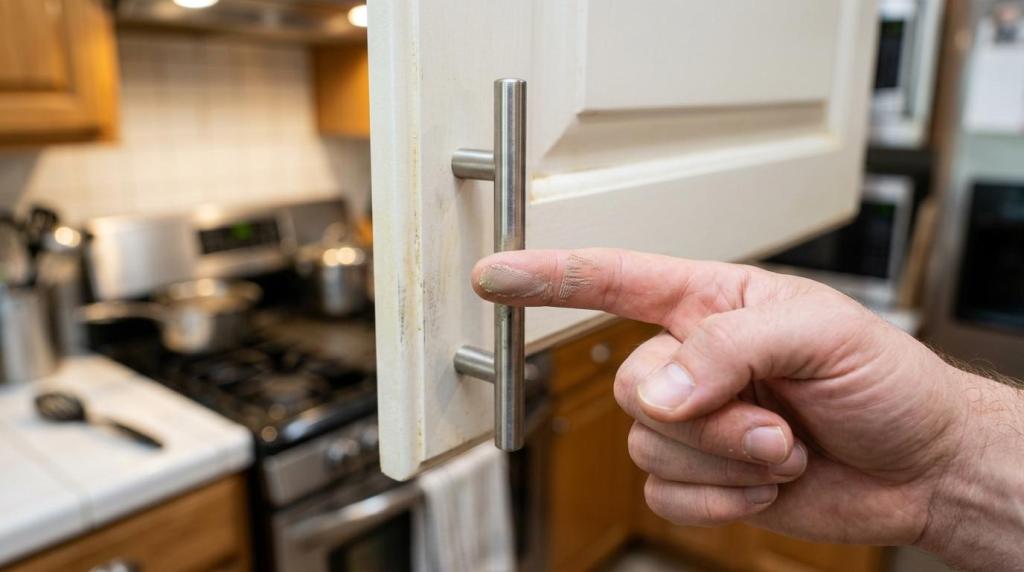
Step 1 is the finger test. Check cabinet fronts, handles, backsplash edges, and the area above the stove. If the surface feels tacky or looks slightly yellow under bright light, grease has been spreading for weeks.
Step 2 is the appliance check. Open the microwave, oven, and refrigerator. Look for crumbs in seals, splatter on interior walls, and residue under removable shelves. A kitchen that looks fine from the doorway can still be overdue if the food-contact zones are neglected.
Step 3 is the floor-line scan. Get low and check where the floor meets cabinets, under the toe kicks, and around trash storage. That edge buildup tells you whether maintenance has been keeping pace.
Pro tip: the space beside and behind appliances often matters more than the center of the room. That is where dust, food particles, and moisture combine.
How should you assess bathrooms, grout, and moisture before it becomes a bigger problem?
Check moisture first. Tile grout, shower doors, and caulk around a Kohler tub tell you whether the issue is cosmetic dirt or the start of mildew growth.
Step 1 is the visual contrast test. Compare the grout near the shower floor to grout higher on the wall. If the lower lines are much darker, moisture and soap residue have been sitting too long.
Step 2 is the odor check. Close the bathroom for 10 minutes, then re-enter. If you notice a damp, musty, or sour smell, hidden buildup is likely present on textiles, grout, drains, or caulk.
Step 3 is the ventilation check. Look at the exhaust fan cover and nearby ceiling. Dust on the fan slows airflow, and poor airflow lets moisture linger longer than it should. Indoor humidity ideally stays around 30% to 50%.
Common misconception: bleach alone fixes bathroom buildup. It may lighten stains, but it does not always remove the underlying soap scum, mineral deposits, or embedded soil that keeps the problem coming back.
How can you check floors, baseboards, vents, and upholstery like a pro?
Use a low-angle inspection. Baseboards, a Dyson vacuum head, and upholstered arms show wear and dust most clearly when you stop looking from standing height.
Step 1 is to change your viewpoint. Crouch down and look across hardwood, carpet edges, and trim lines. Low light reveals dust, pet hair, and dull residue that overhead lighting hides.
Step 2 is to test the textiles. Pat a sofa cushion, curtain edge, or upholstered headboard. If you see particles float or smell a stale note, fabrics are holding dust. That can affect odor and air quality more than hard surfaces do.
Step 3 is to inspect ventilation points. Check return vents, supply grilles, and the area around them. If dust reappears quickly after cleaning, then HVAC filters or soft furnishings may be the real source.
Pro tip: homeowners often overfocus on floors and underfocus on fabric. In many homes, upholstery is where odors and allergens linger longest.
How is deep house cleaning different from recurring house cleaning?
They serve different goals. A recurring service is designed for consistency, while deep cleaning resets neglected areas like baseboards and appliance edges that a maintenance visit may not fully address.
A recurring service is designed for consistency. A deep cleaning is designed for recovery. That distinction matters because the time, detail level, and expectations are different.
Here is the practical difference:
- Recurring cleaning: Maintains kitchens, bathrooms, floors, dusting, and surface appearance on a weekly, biweekly, or monthly schedule.
- Deep cleaning: Adds detail work like baseboards, buildup removal, edge work, high dusting, and attention to areas that have fallen behind.
- Recurring cleaning trade-off: Lower effort per visit, but it works best after the home has already been reset.
- Deep cleaning trade-off: Higher upfront time and cost, but it creates a cleaner baseline that is easier to maintain.
If a home has not been professionally cleaned in 30 days or more, many services, including Maids 4 Jersey, treat a deep clean as the right starting point.
Is a DIY deep clean enough, or is professional deep cleaning the better choice?
Both can work. A Shark vacuum and store-bought degreaser can handle moderate buildup, but a Professional service is usually better when time is tight, detail matters, or the home is far behind.
DIY is strongest when the home is only lightly overdue, you already own the right tools, and you can commit several focused hours without rushing. Professional service makes more sense when the job includes heavy bathroom buildup, pet hair embedded in fabrics, kitchen grease, or multiple neglected rooms.
A quick decision filter helps:
- DIY makes sense: one-bedroom home, light buildup, flexible weekend, no major odor or moisture issue
- Professional service makes sense: larger home, first clean in months, hosting soon, moving, pets, or recurring allergies
- DIY limitation: homeowners often clean what is visible and run out of time before the detail work
- Professional limitation: higher upfront spend, though it often saves an entire day or more of labor
Common misconception: hiring a service is only about convenience. In reality, it is often about getting to a maintenance-ready baseline faster and more consistently.
When should you schedule a deep clean after 30 days, a move, pets, or a season change?
You should schedule it when the home has lost its clean baseline. Maids 4 Jersey uses a practical 30-day guideline, and homes with pets, moves, or winter salt usually need it even sooner.
Time matters because soil compounds. A home that missed one month of real upkeep is different from a home that skipped one week. If you are moving in or out, then detailed cleaning protects both comfort and property condition.
If you have pets, then fur, dander, and oils build faster on floors and upholstery. If you are preparing for recurring service, then a deep clean creates the starting point that makes ongoing visits more effective. If you are moving in or out, then detailed cleaning protects both comfort and property condition.
This is especially common in New Jersey, where seasons bring different residue patterns: pollen in spring, humidity in summer, leaves in fall, and salt in winter.
Can a deep clean improve allergies, odors, and even the mental load of living at home?
Yes. HEPA filtration, fabric cleaning, and residue removal can reduce irritants and make the home feel calmer because the environment stops sending “unfinished task” signals.
A deep clean helps health and mood through a few connected mechanisms. Removing dust from vents, trim, and textiles reduces what circulates through the air. Cleaning bathrooms and kitchens at the detail level reduces odor sources, not just the smell on top of them. Clearing buildup also changes the visual field of the home, which often lowers stress.
If you have been sneezing more at home than at work, that is useful information. If family members avoid certain rooms because they feel stale or cluttered, that is useful too.
Pro tip: the biggest post-clean benefit is often not shine. It is the way the house stays manageable after the reset.
What should you expect from a professional deep cleaning appointment in Essex and Bergen County?
Expect a structured reset. Maids 4 Jersey, serving towns like Nutley and Bloomfield, typically starts with home details, checklist-based service, and optional add-ons like inside fridge or oven cleaning.
For homeowners looking for house cleaning in Nutley, NJ, cleaning services in Bloomfield, NJ, or deep cleaning in West Orange, NJ, the most useful expectation is clarity. You should know what is included, what counts as an add-on, how long the appointment may take, and whether you can move to recurring maintenance afterward.
This is where a mid-to-premium service stands out. Reliable scheduling, consistent teams, responsive communication, and strong review history matter just as much as the actual cleaning. Busy families in Livingston, working professionals in Glen Ridge, and homeowners preparing guests in Verona or Belleville usually want the same thing: fewer surprises and a home that feels truly reset.
Before booking, ask:
- What is included: baseboards, bathrooms, kitchen buildup, floors, dusting, and detail work
- What is optional: inside oven, inside fridge, cabinet interiors, or move-related extras
- How scheduling works: arrival windows, communication, and whether you can keep the same team
- What happens next: whether recurring visits can follow the initial deep clean
If you need house cleaning in Nutley, NJ, cleaning services in Belleville, NJ, deep cleaning in Verona, NJ, or service in Cedar Grove, Livingston, Glen Ridge, Hackensack, Garfield, Lodi, or Saddle Brook, a checklist-based first visit is usually the smartest starting point. You can review deep cleaning service details, browse the full services page, and check common booking questions in the FAQ. If the signs in this article sound familiar, request a quote or schedule today before the buildup gets harder to remove.
Sorry, the comment form is closed at this time.