
17 Apr Best Deep Cleaning Tasks for Spring
Spring deep cleaning is the seasonal reset that removes winter dust, trapped allergens, grease buildup, and moisture-related grime before they turn into bigger maintenance problems. It solves a practical issue most homeowners feel by April: routine wiping is no longer enough, and the house still looks dull, smells stale, or triggers allergies. Done well, a spring deep clean improves air quality, protects finishes, and makes weekly upkeep much easier. For busy households, it also saves time by stopping small messes from compounding room by room.
Why does spring deep cleaning matter for air quality and home maintenance?
Yes. HEPA vacuums and HVAC filters reduce recirculated dust, while spring deep cleaning removes winter salt, pet dander, and pollen from carpets, vents, and upholstery before they settle deeper.
Homes stay closed up for months in winter, so fine dust, cooking residue, and moisture hang around longer than most people realize. By early spring, those particles collect in baseboards, return vents, curtains, and fabric surfaces. If you clean them now, you reduce the amount that gets stirred up every time the HVAC system runs.
There is also a maintenance angle. Salt near entryways can abrade flooring, grease film can shorten the life of painted cabinets, and mildew in bathrooms can stain grout permanently. A common misconception is that spring cleaning is mostly cosmetic. In reality, it is preventive care for surfaces you already paid to install.
Which rooms should you deep clean first in spring?
Start with kitchens and bathrooms, then move to bedrooms and living areas. Ovens and showers hold the heaviest buildup, so handling them first prevents fatigue from pushing the hardest jobs to another weekend.
The best sequence is top to bottom, dirtiest to cleanest, dry tasks before wet tasks. That means dust ceiling fans and vents first, wipe surfaces next, and mop or vacuum floors last. If you reverse that order, dust lands on freshly cleaned floors and you do the work twice.
If time is limited, prioritize rooms with food, moisture, and soft surfaces:
- Kitchens accumulate grease, crumbs, and appliance residue.
- Bathrooms collect soap scum, hard-water film, and mildew.
- Bedrooms trap dust in textiles, under beds, and on blinds.
- Living rooms hold pollen, pet hair, and upholstery debris.
Pro tip: if your household has allergies, move carpets, upholstery, and HVAC-related tasks near the top of the plan, not the bottom.
What are the most important spring deep cleaning tasks for a healthier home?
The highest-value tasks target fabric, moisture, grease, and overlooked edges. Maids 4 Jersey often sees the biggest visual and health payoff from whole-home resets, carpet care, bathrooms, and kitchen detailing.
If you want the biggest return on effort, focus on the jobs below before organizing drawers or buying storage bins. Cleaning first tells you what actually needs attention.
- Schedule a whole-home reset with Maids 4 Jersey if the backlog is too large to finish well in one weekend.
- Deep clean carpets and rugs to remove winter grit, dust mites, and allergens.
- Vacuum upholstered furniture, under cushions, and along seams.
- Wash interior windows, frames, tracks, and screens to cut pollen buildup.
- Degrease the oven, stovetop, range hood, and microwave.
- Empty the refrigerator, wipe shelves, and vacuum the coils.
- Scrub showers, tubs, grout lines, and exhaust fan covers.
- Dust ceiling fans, vents, light fixtures, and high ledges.
- Wipe baseboards, door trim, and wall scuffs.
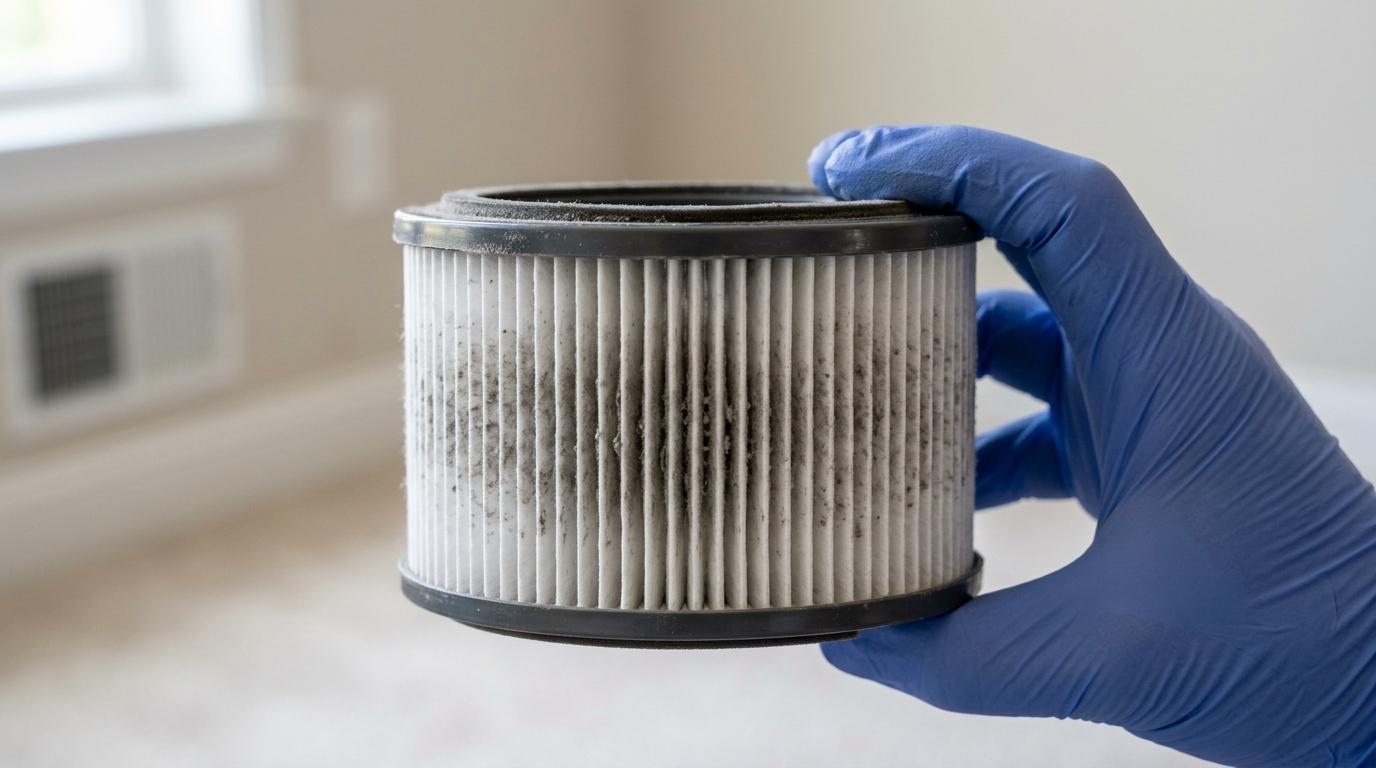
- Replace or clean HVAC filters to support better airflow.
For most homes, those ten tasks create the “spring clean” feeling people actually notice: fresher air, brighter light, fewer odors, and less dust returning after a day or two.
How do you deep clean carpets and upholstery without trapping moisture?
Vacuum first, treat spots second, and use as little moisture as the fabric allows. HEPA vacuums and hot-water extraction work well, but drying time is the real make-or-break factor.
Step 1 is dry soil removal. Use a vacuum with upholstery and crevice tools, and go slowly over traffic lanes, sofa seams, and rug edges. Dry debris left behind turns into mud once water hits it.
Step 2 is spot treatment. Use a fabric-safe cleaner or enzyme product for organic stains. Test hidden areas first. A common mistake is soaking the stain, which can push it deeper into padding.
Step 3 is controlled wet cleaning and fast drying. For carpets, professional hot-water extraction is usually the most effective annual reset. For upholstery, use the cleaning code on the tag if present. If you use water, open windows when pollen counts are low and run fans so surfaces dry within hours, not days. In many homes, carpets should dry in roughly 6 to 24 hours depending on method and airflow.
Pro tip: homes with pets, kids, or allergy concerns often need professional carpet cleaning once a year, sometimes twice.
How should you clean windows, screens, and tracks for spring pollen control?
Clean glass, then tracks, then screens, and avoid direct sun. Microfiber cloths and a squeegee reduce streaking better than paper towels.
Step 1 is dust removal. Vacuum the tracks, sill, and frame before adding any liquid. If you skip this step, you make a muddy paste that is harder to remove.
Step 2 is glass cleaning. Use a mild glass cleaner or a simple vinegar-water mix on standard glass. Wipe with microfiber, then finish with a squeegee. Pro tip: work on a cloudy day, because warm glass dries cleaner too fast and leaves streaks.
Step 3 is screen washing. Remove screens, scrub both sides with warm soapy water and a soft brush, rinse well, and let them dry fully before reinstalling. This matters more than people think. Screens hold a surprising amount of pollen, and spring breezes push that dust back indoors.
Is DIY spring deep cleaning cheaper than hiring a professional service?
Sometimes, but not always. Home Depot tool rental rates and grocery-store cleaners look cheaper upfront, yet labor time, equipment quality, and missed details change the math fast.
If you already own the right tools and have a full day or two, DIY can make sense for maintenance-level work. If the home has not had a real reset in 12 months, or if grease, grout, and buildup are heavy, professional service usually gives better value.
| Factor | DIY | Professional deep cleaning |
|---|---|---|
| Upfront cost | Lower at first | Higher at first |
| Time required | Often 6 to 12+ hours | Usually much less homeowner time |
| Equipment | Rental or consumer grade | Commercial methods and trained teams |
| Consistency | Depends on energy and skill | Checklist-based and repeatable |
| Best fit | Light buildup, smaller homes | Busy families, larger homes, first-time resets |
Equipment rental for carpet machines commonly runs about $40 to $70 per day before solution costs, and that still leaves setup, stain treatment, furniture moving, and drying on you. For homeowners seeking house cleaning in Nutley, NJ or cleaning services in Bloomfield, NJ, the trade-off is clear: pay with time or pay for reliable execution.
How do you deep clean a kitchen and appliances step by step?
Start cold, degrease in sections, and finish with floors last. Refrigerators, range hoods, and ovens respond best when you clean one zone at a time instead of spraying the whole kitchen at once.
Step 1 is emptying and dry prep. Toss expired food, remove burner grates, and clear counters. Pull the refrigerator out enough to vacuum dust from the coils and the floor behind it. This can improve airflow and reduce strain on the appliance.
Step 2 is grease and appliance work. Clean the microwave interior, stovetop, backsplash, hood exterior, and hood filters. Then tackle the oven. A common mistake is spraying control panels or stainless surfaces directly. Spray your cloth first.
Step 3 is cabinet fronts, sink area, and floors. Wipe cabinet faces, handles, switches, and the refrigerator door seal. Finish with the sink, then sweep and mop. If your spring reset includes inside-oven or inside-fridge work, this is where a dedicated deep cleaning service saves the most time.
Which bathroom deep cleaning tasks prevent mold and grout staining?
Focus on moisture control, not only visible dirt. Tile grout and exhaust fans matter as much as the tub because mildew starts where air flow and drying are weak.
Soap scum traps minerals, and damp grout traps spores. That is why bathroom deep cleaning should include shower walls, corners, caulk lines, faucet bases, and the exhaust fan cover. If the fan is dusty, it cannot move humid air effectively.
A common misconception is that bleach alone solves every bathroom problem. It can whiten surface staining, but if ventilation is poor or caulk is failing, the issue returns. Keep indoor humidity around 40% to 60% when possible, dry wet surfaces after use, and address leaks quickly.
For deep cleaning in Verona, NJ or Livingston, NJ, bathrooms are often the room where homeowners see the fastest visual improvement after one professional visit.
What is the difference between a standard clean and a spring deep clean?
A standard clean maintains; a deep clean resets. Recurring house cleaning covers visible surfaces and routine floors, while spring deep cleaning targets buildup, edges, and neglected detail work.
That difference matters when homeowners book the wrong service and expect a different result. If the house has months of buildup, a standard visit may not be enough.
| Area | Standard clean | Spring deep clean |
|---|---|---|
| Baseboards | Often spot cleaned | Thoroughly wiped |
| Appliances | Exterior surfaces | Detailed degreasing, more interior options |
| Bathrooms | Routine sanitizing | Grout, buildup, fixture detailing |
| Floors | Visible debris removal | Edges, corners, under furniture attention |
| High dusting | Light dusting | Fans, vents, fixtures, trim |
If you want a polished home before guests, holidays, or allergy season, deep cleaning is the right starting point. After that, Recurring house cleaning keeps the result from slipping back.
How can you keep a spring deep clean lasting longer?
Use a maintenance rhythm, not random catch-up cleaning. Microfiber cloths, entry mats, and a biweekly schedule help homes stay cleaner longer with less effort.
The goal is not daily perfection. It is stopping dust, grease, and moisture from rebuilding in the same trouble spots. Busy professionals and families usually do best with a short weekly reset plus scheduled recurring service.
- Entry control: Use indoor and outdoor mats, and vacuum entry zones twice a week during rainy spring weeks.
- Kitchen rhythm: Wipe stovetops and counters after cooking so grease never hardens.
- Bathroom control: Run the exhaust fan during showers and for 20 minutes after.
- Dust reduction: Change HVAC filters every 60 to 90 days, sooner with pets.
- Scheduling: Pair a spring deep clean with weekly, biweekly, or monthly service based on traffic level.
Pro tip: biweekly service is often the sweet spot for homeowners who want consistency without the cost of weekly visits.
When should homeowners in Essex County and Bergen County book spring deep cleaning service?
Book in March or April if you want the cleanest reset before pollen peaks and spring calendars fill. Essex County and Bergen County homeowners usually get the best scheduling options by reserving early.
This is especially true for busy households in West Orange, Cedar Grove, Glen Ridge, Belleville, Hackensack, Garfield, Lodi, and Saddle Brook. If you are searching for house cleaning in Nutley, NJ, cleaning services in Bloomfield, NJ, or deep cleaning in West Orange, NJ, spring slots tend to go fastest around weekends and school breaks.
Maids 4 Jersey is built for homeowners who value reliable scheduling, consistent teams, and a mid-to-premium experience over the cheapest possible visit. That fit works well for families juggling work, school pickups, guests, or a move.
- Deep cleaning: For first-time resets and seasonal buildup; best when kitchens, bathrooms, baseboards, and detail work need extra time.
- Recurring house cleaning: For busy professionals and families; best after a deep clean when you want the same standard to continue.
- Move-in/move-out cleaning: For transitions and listings; best when inside cabinets, ovens, and refrigerators need close attention.
- Small office cleaning: For neighborhood offices and workspaces; best when you need dependable upkeep without managing cleaners yourself.
You can also connect services and local pages as you plan: move-in/move-out cleaning, house cleaning in Nutley, NJ, and cleaning services in Bloomfield, NJ. If your home needs a true seasonal reset, request a quote or schedule today before prime spring appointments are gone.
Sorry, the comment form is closed at this time.